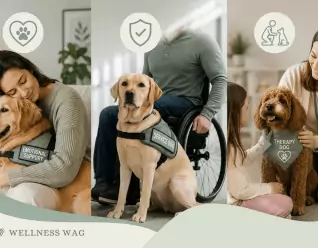

How ESA Certification Can Help With Anxiety

by Ayesha Aziz
Last updated: March 13, 2026
Verified and Approved by:
Angela Morris,
MSW, LCSW
Fact Checked


Do you struggle with anxiety and find it difficult to cope with everyday stressors? Have you considered getting an Emotional Support Animal (ESA) to help alleviate some of that anxiety?
ESA certification can provide you with the support and comfort you need to navigate through life’s challenges. By understanding the benefits of having an ESA for anxiety, you can start to see how this certification can make a positive impact on your mental health and overall well-being.
Having an ESA can offer you legal rights and protections that can help ease your anxiety and provide a sense of security. Qualifying for an ESA is a straightforward process that involves getting a recommendation from a licensed mental health professional.
Once you have your certification, it’s important to understand the responsibilities that come with being an ESA owner, such as providing proper care and attention to your animal. With ESA certification, you can take a step towards managing your anxiety and finding comfort in the companionship of a furry friend.
Key Takeaways
- Support and comfort for individuals struggling with anxiety
- Reduced feelings of loneliness and increased oxytocin levels
- Legal rights and protections in housing and travel accommodations
- Responsibilities include providing proper care, meeting needs, and ensuring proper behavior
Understanding ESA Certification
Did you know that understanding ESA certification can provide you with the legal rights and benefits needed to alleviate your anxiety?
By obtaining an Emotional Support Animal (ESA) certification, you can have the comfort of knowing that your furry companion is more than just a pet; they’re your source of emotional support and well-being.
This certification allows you to bring your ESA with you in housing that typically doesn’t allow pets, as well as on flights without having to pay additional fees.
Having an ESA certification can also help you feel more at ease in public spaces, knowing that you have the legal right to have your emotional support animal by your side.
This sense of security can significantly reduce anxiety levels and provide a sense of calmness during stressful situations.
With ESA certification, you can experience the therapeutic benefits of having a support animal while also having the peace of mind that comes with knowing your rights are protected.
Evaluating Your Need for an ESA
Assessing your own emotional well-being and determining if an ESA could provide the support you need is an important step in the process. It’s essential to evaluate your anxiety levels and the impact it has on your daily life. To help you with this self-assessment, here’s a handy table to gauge your need for an ESA:
| Anxiety Symptoms | Frequency | Severity | Impact on Daily Life | ESA Potential |
|---|---|---|---|---|
| Racing thoughts | Often | Moderate | Difficulty focusing | High |
| Panic attacks | Occasionally | Severe | Avoidance behaviors | High |
| Social anxiety | Frequently | Mild | Isolation | Moderate |
| Trouble sleeping | Regularly | Moderate | Fatigue | Moderate |
| Irritability | Daily | Mild | Relationship strain | Low |
This table is just a starting point, and it’s important to consult with a mental health professional to get a comprehensive evaluation. Now, let’s dive into the exciting world of ESA letter acquisition!
Getting an ESA letter for anxiety is a process that involves several steps, but it can be a rewarding journey. Once you’ve determined that an ESA could be beneficial for your emotional well-being, the next step is to find a qualified mental health professional who can help you obtain the necessary documentation. This could be a therapist, psychiatrist, or psychologist who is licensed to practice in your state. They will evaluate your mental health condition and assess if an ESA is a suitable treatment option for you.
Keep in mind that this evaluation is not just a formality; it’s an opportunity to discuss your anxiety symptoms, treatment history, and how an ESA can support your daily life. So, embrace the process with an open mind and a good sense of humor, and soon you could be on your way to getting an ESA letter that can bring you the support and companionship you need.
Consulting with a Mental Health Professional
Consulting with a mental health professional is essential for obtaining an ESA letter for anxiety. They’ll evaluate your condition and determine if an emotional support animal would benefit you.
Here are three things to keep in mind when consulting with a mental health professional:
- Be honest about your anxiety: You may feel tempted to downplay your anxiety symptoms or exaggerate them to make sure you qualify for an ESA letter. However, it’s important to be honest about your experiences and how anxiety affects your daily life. The goal is to find the best treatment plan for you, and that starts with an accurate assessment of your condition.
- Ask questions: Don’t be afraid to ask questions during your consultation. It’s your opportunity to gather information and gain a better understanding of the process. Ask about the benefits of having an emotional support animal, the responsibilities that come with it, and any other concerns you may have. A mental health professional can provide valuable insights and address any doubts or misconceptions you may have.
- Collaborate on a treatment plan: Obtaining an ESA letter is just one part of your overall treatment plan for anxiety. Work together with your mental health professional to develop a comprehensive approach that includes therapy, medication (if necessary), and self-care strategies. They can help you determine the role an emotional support animal can play in managing your anxiety and guide you toward resources that can assist you in finding the right pet.
The process of obtaining an ESA letter should be taken seriously, but that doesn’t mean you can’t have a little fun along the way. So, crack a joke, lighten the mood, and let your mental health professional know that you appreciate their expertise while still maintaining a sense of humor.
Benefits of an ESA for Anxiety
Having an emotional support animal provides you with a constant source of comfort and companionship, which can greatly alleviate feelings of stress and worry. Your ESA is there for you during both good and bad days, offering unconditional love and support.
Here are some benefits of having an ESA for anxiety:
- Your ESA is always ready to listen without judgment, giving you a safe space to express your feelings.
- The presence of your ESA can help reduce feelings of loneliness and isolation, providing you with a sense of connection.
- Daily interactions with your ESA can help increase your levels of oxytocin, the “love hormone,” which promotes feelings of relaxation and happiness.
- Taking care of your ESA can give you a sense of purpose and routine, helping to combat feelings of aimlessness or lack of motivation.
- Engaging in physical activities with your ESA, such as walks or playtime, can help release endorphins and reduce anxiety symptoms.
Embracing the companionship and support of an emotional support animal can truly make a difference in managing anxiety.
Legal Rights and Protections
ESA certification provides you with legal rights and protections, such as the ability to bring your emotional support animal to housing that doesn’t typically allow pets. For example, a woman with severe anxiety was able to have her ESA live with her in a no-pet apartment, providing her with comfort and stability.
Having this certification allows you to have your ESA with you in situations where they can provide essential emotional support, making it easier for you to manage your anxiety and feel more at ease in challenging situations.
In addition to housing rights, ESA certification also grants you the right to travel with your emotional support animal without having to pay additional fees or face restrictions. This means you can bring your ESA on flights or public transportation, ensuring that you have the necessary support wherever you go.
Knowing that you have these legal protections in place can give you peace of mind and the confidence to navigate the world with your ESA by your side, helping you manage your anxiety and improve your overall well-being.
Qualifying for an ESA
By meeting specific criteria, you can qualify for an ESA that can provide support for your anxiety.
To qualify for an Emotional Support Animal, you must have a diagnosed mental health condition that significantly impacts your daily life. Additionally, you need a recommendation letter from a licensed mental health professional stating that an ESA would benefit your condition.
Once you fulfill these requirements, you can enjoy the companionship and emotional support that an ESA can offer.
- Diagnosed mental health condition
- Recommendation letter from a licensed mental health professional
- Significant impact on daily life
- Emotional support benefits
- Companionship and comfort
Qualifying for an ESA can be a significant step towards managing your anxiety.
Knowing that you have a furry companion by your side to provide comfort and support can make a world of difference in your mental health journey.
Take the necessary steps to meet the criteria and welcome the positive impact an ESA can have on your anxiety.
Obtaining Your ESA Letter
To obtain your ESA letter, you’ll need to go through a simple process that involves connecting with a licensed mental health professional who can assess your need for an emotional support animal.
Imagine having a supportive and understanding mental health professional guide you through the steps to get the documentation you need for your emotional well-being. It’s like having a personal cheerleader, but instead of pom-poms, they have a pen and paper ready to write you that life-changing letter.
So, let’s break it down. Here are the three steps to obtaining your ESA letter:
Step 1: Find a mental health professional who specializes in emotional support animal assessments. Think of it as finding a matchmaker, but instead of finding your soulmate, they’re finding the perfect furry companion to help ease your anxiety.
Step 2: Schedule an appointment with the mental health professional. This is your chance to spill your guts (metaphorically, of course) and explain how an emotional support animal can make a positive impact on your life. It’s like having a therapy session but with the bonus of knowing that at the end, you might have a furry friend to cuddle with.
Step 3: If the mental health professional determines that an emotional support animal is beneficial for your anxiety, they’ll provide you with an ESA letter. This letter is like a golden ticket, granting you the privilege of having your furry companion by your side, whether it’s on a plane, in a rental apartment, or any other place that might otherwise say “no pets allowed.”
So, strap on your emotional support animal cape, and get ready to embark on this journey towards better mental health. Your furry sidekick is waiting for you, and together, you’ll conquer anxiety one cuddle at a time.
Responsibilities of ESA Owners
As an ESA owner, you’re responsible for ensuring your furry companion’s well-being and providing them with love and care. Your ESA relies on you for everything from food and water to exercise and mental stimulation. It’s essential to create a safe and comfortable environment for your ESA, where they feel secure and loved.
By meeting their physical and emotional needs, you’re not only fulfilling your responsibilities as an ESA owner but also strengthening the bond between you and your furry friend.
Additionally, as an ESA owner, it’s crucial to understand the impact your ESA has on those around you. You have a responsibility to ensure your ESA behaves appropriately in public spaces, respecting the rules and regulations set by establishments.
By being a responsible ESA owner, you’re not only advocating for the benefits of ESA certification but also setting a positive example for others who may not be familiar with the concept. Your commitment to your ESA’s well-being and the well-being of those around you speaks volumes about your character and compassion towards animals and individuals in need.
Can an ESA Letter for College also be used for Anxiety?
Yes, an ESA letter for college can also be used for anxiety. Students with approved ESA letters can bring their emotional support animals to college campuses, which can be extremely beneficial for managing anxiety and providing comfort and emotional support during challenging times.
Frequently Asked Questions
Can you have more than one ESA at a time for anxiety?
Yes, you can have more than one ESA at a time for anxiety. Just like different flowers in a garden, multiple ESAs can provide unique support and comfort, each offering their own special companionship.
Are there any restrictions on where you can bring your ESA for anxiety?
You can bring your ESA for anxiety to most public places, but there are some restrictions. It’s important to research and follow the specific rules of each location to ensure a smooth experience.
How long does it typically take to qualify for an ESA for anxiety?
Qualifying for an ESA for anxiety is like planting a seed in fertile soil; it takes time and patience for it to grow into a supportive companion. The process varies, but with dedication, it blossoms.
Can a landlord deny housing to someone with an ESA for anxiety?
A landlord cannot deny housing to someone with an ESA for anxiety. It is illegal under the Fair Housing Act. Your ESA provides emotional support that is vital for your well-being, and your rights are protected.
Are there any specific breeds that are better suited as ESAs for anxiety?
When choosing an ESA for anxiety, consider Golden Retrievers. 60% of ESA owners prefer them for their gentle nature. Their affectionate demeanor can provide comfort and support, making them an ideal choice for easing anxiety.
Hi, I’m Ayesha, and I’m crazy about dogs! Over at the wellness wag blog section, my love for different dog breeds shines through. Each type of dog is like a character in a fantastic story, and I love writing about their unique qualities. Whether it’s the playful Labrador or the elegant German Shepherd, every breed inspires me. For me, it’s all about the joy and lessons these lovable dogs bring to our lives!
Certify Your Emotional Support Animal Today

Table of Content


Your Pet is More Than a Companion
An ESA Letter can give you the legal support to keep them close
Why You Can Rely on Us?
At Wellness Wag, we believe your pet deserves care rooted in both science and compassion. Each article is carefully researched, written in clear language for pet owners, and then reviewed by qualified professionals to ensure the information is evidence-based, current, and practical for real-life care. Our goal is to help you feel confident in making informed decisions about your pet’s health and well-being.
Reviewed by
Angela Morris, MSW, LCSW
Angela is a licensed clinical social worker with 20 years of experience in patient advocacy and community mental health. She has assisted numerous clients with ESA evaluations and brings a deep understanding of disability accommodations, ensuring that all information is accurate, supportive, and practical.

Written by :
Ayesha Aziz
Last Updated :
March 13, 2026