
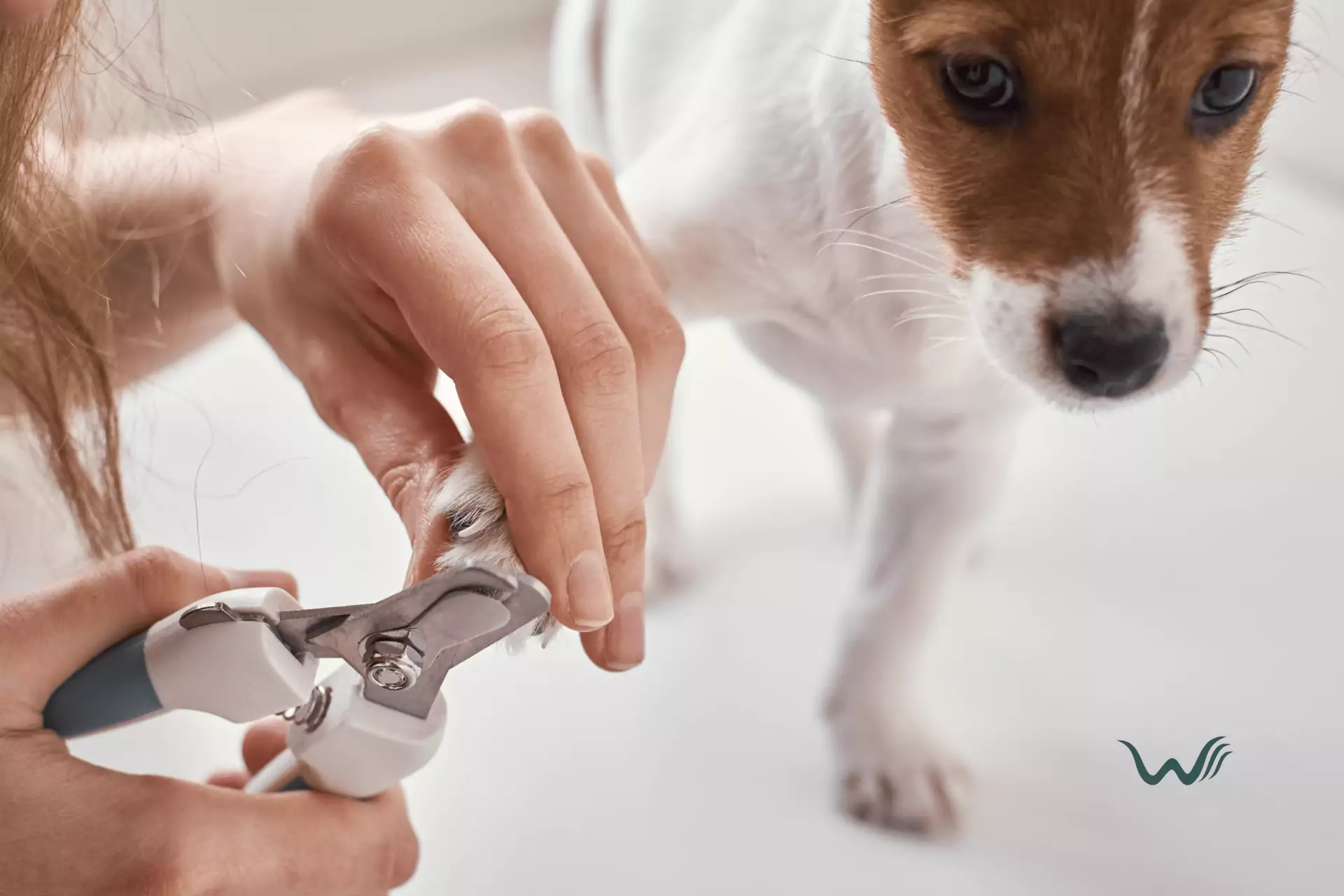
Is It Normal for Dogs to Chew Nails Off? Understanding the Behavior

by Tayyaba Amir
Last updated: January 5, 2026
Verified and Approved by:
Angela Morris,
MSW, LCSW
Fact Checked


It’s not uncommon for dogs to chew their nails, and in some cases, it’s a natural part of their grooming routine. Just like humans trim their nails, dogs may use their teeth to keep their nails from becoming too long. Some dogs do this occasionally and stop once their nails feel comfortable. However, if a dog frequently chews their nails, it could be a sign of an underlying issue.
Excessive nail chewing can stem from several factors, including anxiety, allergies, infections, or even simple boredom. Pet owners should watch how often their dog shows this behavior. They should also look for other signs, like limping, licking their paws too much, or visible irritation.
Understanding the reasons behind nail chewing is crucial for ensuring a dog’s well-being. In some cases, simple adjustments to grooming habits can resolve the issue, but in others, veterinary attention may be needed.
What Is Nail Chewing?
Nail chewing in dogs refers to the act of biting, gnawing, or pulling at their nails using their teeth. While some dogs do this occasionally as part of self-grooming, excessive nail chewing can be a sign of discomfort or distress. Unlike a quick nibble to remove a rough edge, repeated chewing may indicate an issue that requires attention.
This behavior can vary from dog to dog. Some may lightly nibble their nails without causing any harm, while others may chew so aggressively that they break or damage the nail. In severe cases, dogs can even pull their nails out, leading to pain, bleeding, and infection.
If a dog often chews their nails, pet owners should check their paws. Look for redness, swelling, or any signs of injury. Recognizing whether the behavior is normal or excessive is the first step in determining if intervention is needed.
Common Reasons Dogs Chew Their Nails
There are several reasons why a dog may chew its nails. Some causes are completely harmless, while others may require medical attention or behavioral intervention. Here are the most common reasons behind this behavior:
Natural Grooming
Just like humans trim their nails, dogs may chew their nails to keep them from becoming too long or uncomfortable. This is especially common in dogs that don’t get enough physical activity on hard surfaces, like concrete or pavement, which naturally wear down their nails. If a dog’s nails grow too long, they may chew them to reduce discomfort.
Anxiety and Stress
Dogs can develop nervous habits just like humans. A stressed or anxious dog may resort to repetitive behaviors like licking, scratching, or chewing their nails. Common dog anxiety symptoms include excessive panting, restlessness, whining, pacing, or destructive behavior. If nail chewing happens during stressful times, it may be related to anxiety. This can occur when someone is left alone, hears loud noises, or faces new places.
Allergies and Skin Irritation
Allergies are a common cause of nail chewing. Dogs can be allergic to food ingredients, pollen, dust, mold, or household chemicals. If a dog’s paws become itchy due to an allergic reaction, they may chew their nails to relieve the discomfort. Other signs of allergies include frequent licking of the paws, red or inflamed skin, and ear infections.
To effectively treat your dog’s allergies, start by eliminating exposure to the suspected allergen. This might involve changing your dog’s diet, reducing contact with certain plants or cleaning products, or even using air purifiers to limit dust and mold in your home.
If lifestyle adjustments don’t bring relief, consult your veterinarian about allergy medications or aller-immune supplements specifically designed for dogs. These options can help manage symptoms and improve your pet’s comfort.
Additionally, human-grade antihistamines can be safe for dogs when administered correctly. It’s crucial to follow dosage guidelines and your vet’s advice to ensure safety and effectiveness.
By identifying the cause and implementing these strategies, you can help your dog find relief from allergy-related discomfort and improve their overall quality of life.
Atopic Dermatitis and Allergies in Dogs
Atopic dermatitis in dogs is a skin condition primarily triggered by allergic reactions. While humans exhibit allergies through respiratory symptoms like coughing and sneezing, dogs often experience skin irritation.
These irritations can develop from exposure to common allergens such as pollen, mold, dust, or grass. Once a dog encounters these substances, it may lead to skin inflammation and intense itching, a hallmark of atopic dermatitis.
Symptoms and Affected Areas
Unlike some conditions that are limited to specific parts of the body, atopic dermatitis can affect various areas including:
- Feet
- Ears
- Face
- Front legs
Dogs suffering from this condition often show signs like paw licking or frequent scratching. This is their way of relieving the discomfort caused by the itchy skin.
Seasonal and Year-Round Allergies
The condition might manifest itself seasonally or persist throughout the year, depending on the nature of the allergens. For example, pollen could be a seasonal trigger, while dust exposure might cause symptoms year-round.
By understanding the connection between allergens and atopic dermatitis, pet owners can better manage and alleviate their dogs’ discomfort. This often involves reducing allergen exposure and seeking appropriate veterinary care.
Nail or Paw Infections
Bacterial or fungal infections in a dog’s nails or paws can cause irritation, leading to excessive licking or chewing. If an infection is present, owners may notice swelling, redness, a foul odor, or discharge around the nails. Infections should be treated by a veterinarian to prevent further complications.
Overgrown or Ingrown Nails
When a dog’s nails become too long, they can grow into the paw pad or curve in a way that makes walking uncomfortable. Ingrown nails are painful and can lead to infections if not treated. Regular nail trimming is essential to prevent this issue.
Parasites (Fleas, Ticks, or Mites)
External parasites like fleas, ticks, and mites can cause intense itching and irritation, leading a dog to chew its nails and paws. If a dog is excessively scratching, biting, or chewing at its feet, checking for parasites is a good first step. Flea prevention treatments and proper grooming can help keep these pests away.
Boredom or Habitual Behavior
Some dogs chew their nails simply out of boredom or as a repetitive habit. If a dog doesn’t get enough mental and physical stimulation, they may develop self-soothing behaviors, such as chewing nails, licking paws, or tail chasing. Providing engaging activities, such as puzzle toys, training sessions, and daily exercise, can help reduce boredom-related behaviors. Regular exercise not only helps in managing your dog’s mental health by alleviating boredom and anxiety-like symptoms but also plays a crucial role in maintaining their physical health.
When dogs don’t get enough exercise, their nails can become overgrown, leading to discomfort and potentially exacerbating nail-biting behaviors. To prevent this, consider integrating daily walks, playful runs, or agility training into their routine.
For a tailored approach, consult with your veterinarian to develop a personalized exercise plan that suits your dog’s specific needs. By ensuring your dog stays active, you can effectively manage both their mental and physical well-being, curbing unwanted habits like nail-biting in the process.
Pain or Arthritis
Older dogs or those with joint issues may chew their nails due to underlying pain or discomfort. Arthritis, nerve damage, or orthopedic problems can cause subtle pain that leads to excessive licking or chewing of the paws and nails. If an older dog starts chewing its nails a lot, it is best to visit a vet. This helps check for any pain-related problems.
Mental Stress and Behavioral Triggers
In addition to the above causes, dogs may bite their toes as a way to deal with mental stress. This behavior might appear as a form of excessive biting and tugging at their feet. Other triggers for this obsessive behavior can include food intolerances and yeast infections, which can cause discomfort and prompt the dog to bite their toes more frequently. If your dog is showing signs of obsessive toe biting, consulting with a veterinarian can help identify and treat the underlying causes.
Medical Reasons for Nail Chewing
While occasional nail chewing can be a normal grooming habit, persistent or aggressive chewing may be a sign of an underlying medical issue. Certain health conditions can cause discomfort, leading a dog to chew its nails as a way to relieve irritation or pain. Identifying these medical reasons early can prevent further complications and improve a dog’s well-being.
Nail Bed Infections (Paronychia)
Paronychia is a bacterial or fungal infection affecting the nail bed. It can cause swelling, redness, and tenderness around the nails. Infected nails may also become discolored or brittle. If a dog is frequently licking or chewing at its nails and the area looks inflamed, an infection may be the cause. A veterinarian can prescribe antibiotics or antifungal treatments to resolve the issue.
Treatment Options for Infections
For bacterial infections, antibiotics are typically prescribed to eliminate the bacteria and reduce symptoms. On the other hand, antifungal medication is necessary for treating fungal infections. Once treatment starts, it is crucial to regularly clean the affected area. Additionally, ensure your dog avoids touching or walking on it to promote healing and prevent further irritation.
Autoimmune Disorders
Some autoimmune diseases, such as pemphigus or lupus, can cause nail and skin issues, leading to discomfort and excessive nail chewing. These conditions often result in cracked, brittle nails or sores around the paws. Diagnosis and treatment require veterinary attention, often involving immune-suppressing medications.
Tumors or Growths on the Nail or Paw
Occasionally, tumors or abnormal growths can develop on a dog’s nail bed or paw, causing pain and irritation. These growths may interfere with normal nail function, leading a dog to chew its nails frequently. If a lump or abnormal swelling is noticed near the nails, a vet should examine it to determine if further treatment or removal is necessary.
Interdigital Cysts in Dogs
Interdigital cysts are noticeable, inflamed bumps that develop between a dog’s toes. These growths often appear in breeds with short hair and pronounced webbing between their toes, such as the American bulldog and Labrador retriever.
These cyst-like formations often occur due to infections. The root of these infections may be ingrown hairs or the presence of parasites, like mites. Typically, these conditions result in the development of red, swollen areas that can be painful for your pet.
While the condition isn’t usually critical, it can cause discomfort, influencing a dog’s mobility and behavior. Dogs might lick or chew at the affected area excessively, leading to further irritation or secondary infections.
Generally, surgery is unnecessary unless complications arise. However, a veterinary evaluation is advisable to ensure the growths aren’t malignant. Treatment commonly involves keeping the area clean, applying Epsom salt soaks, and using healing ointments to address the symptoms and promote healing. Regular monitoring and maintenance are key to preventing future flare-ups.
Neurological Issues
Some neurological conditions can cause tingling or nerve pain in a dog’s paws, leading to excessive chewing. Nerve damage, spinal issues, or neurological disorders may result in a dog focusing on its paws as a response to discomfort. Veterinary evaluation is necessary to diagnose and manage these conditions.
Hormonal Imbalances (Hypothyroidism or Cushing’s Disease)
Hormonal imbalances can affect a dog’s skin, nails, and coat, sometimes leading to excessive nail chewing. Hypothyroidism can cause dry and brittle nails. Cushing’s disease may lead to skin infections that make the paws itchy and irritated. Blood tests and veterinary guidance are needed to diagnose and manage these conditions.
Impact of Anxiety on Nail Chewing Behavior
Anxiety is one of the most common reasons why dogs develop compulsive behaviors, including excessive nail chewing. When a dog is anxious, they may resort to self-soothing actions like licking, scratching, or biting their nails as a way to cope with their emotions. While occasional nail chewing may not be a cause for concern, frequent or aggressive chewing can lead to injuries and infections.
Dogs suffering from chronic anxiety may develop obsessive-compulsive behaviors, where they chew their nails even when there’s no physical discomfort. This can result in cracked or bleeding nails, which can be painful and increase the risk of infection. Additionally, stress-related nail chewing often occurs alongside other signs of anxiety, such as whining, pacing, or destructive behavior.
If a dog is chewing its nails because of anxiety, it helps to address the stressors. These can include separation anxiety, changes in the environment, or fear triggers. Reducing these issues can help lessen the behavior.
Pet owners can help their anxious dogs by providing mental stimulation, consistent routines, and calming aids, such as pheromone diffusers or anxiety wraps. In severe cases, consulting a veterinarian or an animal behaviorist may be necessary to develop a treatment plan. Managing a dog’s anxiety not only improves their overall well-being but also helps eliminate harmful behaviors like excessive nail chewing.
When to See a Vet
If nail chewing continues, it can cause bleeding. If you notice other signs of pain, like limping or excessive licking of paws, you should see a veterinarian. A thorough examination can help determine if the behavior is caused by a medical issue and what treatment is needed.
Consider scheduling a vet appointment if your dog:
- Chews their nails to the point of bleeding or cracking
- Shows signs of pain, limping, or difficulty walking
- Has swollen, red, or infected nail beds
- Develops hair loss or sores around their paws
- Suddenly starts chewing their nails more frequently
- Displays other concerning symptoms like lethargy or loss of appetite
What to Expect at the Vet
During the visit, your vet will perform a thorough physical exam, checking for infections, injuries, or abnormalities in your dog’s nails and paws. They may also ask questions about your dog’s diet, behavior, and lifestyle to identify possible triggers.
Depending on the findings, the vet may recommend:
- Medications – Antibiotics or antifungal treatments if an infection is present
- Allergy Testing – To determine if food or environmental allergens are causing irritation
- Parasite Treatment – If fleas, mites, or ticks are the root cause
- Anxiety Management Plans – If stress or compulsive behaviors are contributing to the issue
- Regular Nail Trimming Guidance – If overgrown nails are leading to discomfort
How to Help Your Dog Stop Nail Chewing
If your dog is excessively chewing its nails, taking proactive steps to manage and prevent the behavior is essential. Whether the cause is medical, behavioral, or stress-related, there are several strategies that can help reduce and eventually stop this habit.
Identify and Address the Root Cause
Before implementing any solution, it’s crucial to determine why your dog is chewing its nails. If a medical issue, such as an infection or allergy, is present, treating that condition will likely resolve the behavior. If stress or boredom is the cause, providing enrichment activities and a stable routine can help.
Keep Your Dog’s Nails Properly Trimmed
Overgrown nails can cause discomfort, leading to excessive chewing. Regular nail trimming prevents nails from becoming too long or curling into the paw pads. Without these trims, your pet’s nails may penetrate the paw pad, causing significant pain and increasing the risk of injuries and infections.
Long nails don’t just cause immediate discomfort; they can also lead to long-term issues. They may affect your pet’s posture, putting unnecessary strain on ligaments and joints. This can lead to chronic pain and mobility problems over time.
By maintaining a regular nail-trimming routine, you not only ensure your pet’s comfort but also support their overall health and well-being. If you’re unsure how to trim your dog’s nails safely, consult a groomer or veterinarian. Additionally, consider professional help if your dog exhibits extreme anxiety, aggression, or restlessness during grooming. These behaviors can make at-home nail trimming challenging and potentially unsafe for both you and your pet.
Furthermore, even if your dog is generally calm, your own comfort and confidence in handling grooming tools are crucial. If you’re not entirely confident in your skills, this might inadvertently heighten your dog’s stress levels, making the process more difficult. In such cases, a groomer can ensure the task is done safely and effectively, providing peace of mind for both you and your furry friend.
Provide Mental and Physical Stimulation
Dogs that chew their nails due to boredom or anxiety can benefit from increased exercise and mental stimulation. Engaging in daily walks, play sessions, and training exercises can help redirect their focus. Puzzle toys and interactive feeders also provide enrichment and prevent boredom-related behaviors.
Use Anxiety-Reducing Techniques
If stress or anxiety is triggering nail chewing, implementing calming techniques can help. Some options include:
- Calming chews or supplements – Natural remedies like chamomile, valerian root, or CBD (with veterinary approval) can help soothe anxious dogs.
- Pheromone diffusers – Products like Adaptil release calming pheromones to help reduce stress.
- Thundershirts or weighted vests – These provide gentle pressure that can have a calming effect on anxious dogs.
- Background noise – White noise machines or calming music can help soothe dogs sensitive to environmental stressors.
Prevent Access to Paws
If your dog has developed a habit of excessive nail chewing, you may need to take measures to prevent access. Some methods include:
- Protective boots or socks – These prevent direct access to the nails, especially if chewing is due to irritation or allergies.
- Bitter sprays – Pet-safe anti-chew sprays can deter dogs from biting their nails.
- Redirecting attention – Providing a chew toy or engaging your dog in a different activity when they start chewing their nails can help break the habit.
Seek Professional Help if Needed
If nail chewing persists despite your efforts, consulting a veterinarian or animal behaviorist can help. In cases of compulsive behaviors or severe anxiety, a tailored treatment plan, which may include behavioral therapy or medication, might be necessary.
By addressing the cause and implementing these strategies, you can help your dog stop chewing their nails and improve their overall well-being.
Why is it Important to Clean Your Dog’s Paws After Going Outside?
Your dog’s paws are exposed to a variety of potentially harmful substances when they are outside. These include road salts used for de-icing, garden fertilizers, dirt, and allergens. If left on your dog’s skin, these irritants can cause discomfort, itching, or even allergic reactions.
To keep your furry friend comfortable and healthy, make it a routine to gently clean their paws after outdoor adventures. A soft, dry washcloth works wonders in wiping away unwanted particles and reducing the risk of irritation. By incorporating this simple step, you ensure a cleaner, happier, and healthier life for your dog.
Techniques for Proper Nail Trimming
Trimming your dog’s nails correctly is essential for their comfort and well-being. Poor trimming techniques can cause pain, bleeding, or anxiety, making future nail care more difficult. By following the right methods, you can ensure a stress-free experience for both you and your furry friend.
Choose the Right Time and Setting
Dogs are more relaxed when they’re tired, so try trimming their nails after a long walk or play session. Pick a quiet, well-lit area where your dog feels comfortable, and make sure all your tools are within reach before starting.
Familiarize Your Dog with the Process
If your dog is nervous about nail trimming, introduce them to the process gradually:
- Let them sniff and inspect the clippers or grinder.
- Touch and hold their paws gently to get them used to handling.
- Reward calm behavior with treats and praise.
- Start by trimming just one or two nails per session and build up over time.
Properly Position Your Dog
Choose a position that is comfortable for both you and your dog. Some options include:
- For small dogs: Hold them in your lap or place them on a table.
- For larger dogs: Have them lie down or sit beside you while you lift each paw.
- For anxious dogs: Have a helper gently hold them or distract them with treats.
Find the Quick and Trim Safely
The quick is the blood vessel inside the nail, and cutting it can cause pain and bleeding. To avoid this:
- For light-colored nails, look for the pinkish quick and trim just before it.
- For dark-colored nails, trim small bits at a time until you see a gray or white center with a small dark dot—this indicates you are close to the quick.
If you accidentally cut the quick, apply styptic powder, cornstarch, or flour to stop the bleeding.
Use the Right Cutting Technique
Hold the clippers at a 45-degree angle and make small, gradual cuts instead of one large, sweeping snip. If using a grinder, apply light pressure and smooth the nail in short bursts to avoid overheating.
File or Grind for Smooth Edges
After trimming, use a nail file or grinder to round off rough edges and prevent snagging or irritation. This also reduces the chances of your dog chewing at freshly cut nails.
Make It a Positive Experience
Praise and reward your dog with treats after each successful trim.
Keep sessions short and stress-free.
Stay calm and patient—dogs can pick up on your anxiety, making them more nervous.
Stick to a Regular Schedule
Regular trimming prevents nails from becoming overgrown, reducing discomfort and the risk of nail chewing. A good rule of thumb is to trim every 2–4 weeks, depending on how fast your dog’s nails grow.
By using proper techniques, you can make nail trimming a painless and positive experience, ensuring your dog’s paws stay healthy and comfortable.
How Paw Balm Can Help Prevent and Heal Dry, Cracked Paws in Dogs
Caring for your dog’s paws is essential, especially if they’re exposed to harsh conditions. Paw balms serve as both a preventive and healing solution for dry, cracked paws. Here’s how:
Moisturizes Effectively
Paw balms are packed with nourishing ingredients like coconut oil and shea butter that deeply moisturize the skin. By keeping the paws well-hydrated, these balms reduce the likelihood of cracks even forming.
Creates a Protective Barrier
When applied, paw balm forms a barrier on your dog’s paws. This protective shield defends against external irritants like salt, ice, or hot pavement, reducing the impact of harsh environments on their sensitive pads.
Aids in Healing
For paws already showing signs of dryness or cracking, balms offer soothing relief. The ointment promotes healing by calming inflammation and encouraging the regeneration of healthy skin cells.
Year-Round Use
Whether it’s scorching summers or freezing winters, paw balm remains an essential product. It guards against extreme heat, cold, and even rough terrain, ensuring your dog’s paws stay in tip-top condition all year long.
By integrating paw balm into your pet care routine, you can help ensure your dog has happy, healthy paws that are ready for any adventure.
What To Do If Your Dog Has a Puncture Wound or Foreign Object in Their Paw
When your furry friend is in trouble with a puncture wound or a lodged foreign object in their paw, swiftness and care are your best allies. Here’s a step-by-step guide to address the issue effectively:
- Stay Calm and Assess the Situation
- Gently restrain your dog to prevent further injury. Your calm demeanor can help soothe them during this stressful time.
- Inspect the paw closely but carefully. Look for any visible objects or puncture marks.
- Remove Any Visible Objects
- If an object is easily accessible and not deeply embedded or stuck in bone, you can attempt to carefully remove it using clean tweezers.
- Do not attempt this if you feel resistance—stop there and seek veterinary assistance.
- Clean the Wound
- Rinse the affected paw with clean water to remove dirt and debris.
- Avoid using hydrogen peroxide or alcohol, as these can harm the tissue. Instead, opt for a saline solution if available.
- Protect the Wound
- Bandage the paw with a sterile gauze. This prevents further contamination and protects against environmental dirt.
- If the wound is bleeding, apply gentle pressure with a clean cloth to control it.
- Seek Veterinary Assistance
- Contact your vet as soon as possible. Professional evaluation is crucial, as puncture wounds can easily become infected.
- A vet can perform a thorough examination, clean the wound properly, and provide necessary treatments like antibiotics.
- Monitor for Signs of Infection
- Watch for redness, swelling, or an unpleasant odor. These are indicators of infection and should prompt further medical care.
By taking these steps promptly and efficiently, you greatly reduce the risk of complications and help your dog get back on their paws quickly. Remember, when in doubt, always consult a veterinarian for the best course of action.
Final Thoughts
Nail chewing in dogs can be normal sometimes. However, if a dog chews too much, it may signal a problem. It is important to find the cause of your dog’s discomfort. This could be due to anxiety, stress, allergies, overgrown nails, infections, or habits. Addressing the root cause will help keep your dog comfortable and healthy.
By maintaining proper nail care, recognizing signs of stress and anxiety, and consulting a veterinarian when needed, you can help prevent excessive nail chewing and keep your dog happy and healthy. Regular nail trimming, mental stimulation, and anxiety management techniques can go a long way in reducing this behavior.
If your dog persistently chews their nails despite these efforts, don’t hesitate to seek professional advice. A vet or animal behaviorist can provide tailored recommendations to address your dog’s specific needs.
Taking care of your dog’s health and nails will help prevent pain. It will also make your bond with your furry friend stronger.
Hi! I’m Tayyaba. I love writing and hanging out with my playful cat, Whiskers. I’m all about sharing stories showing how awesome pets are and how they improve life. Exploring this world is my passion, from understanding their nutrition to finding ways to keep them safe and happy. Join me in uncovering our pets’ secrets of well-being; it’s a tail-wagging adventure!
Certify Your Emotional Support Animal Today

Table of Content


Your Pet is More Than a Companion
An ESA Letter can give you the legal support to keep them close
Why You Can Rely on Us?
At Wellness Wag, we believe your pet deserves care rooted in both science and compassion. Each article is carefully researched, written in clear language for pet owners, and then reviewed by qualified professionals to ensure the information is evidence-based, current, and practical for real-life care. Our goal is to help you feel confident in making informed decisions about your pet’s health and well-being.
Reviewed by
Angela Morris, MSW, LCSW
Angela is a licensed clinical social worker with 20 years of experience in patient advocacy and community mental health. She has assisted numerous clients with ESA evaluations and brings a deep understanding of disability accommodations, ensuring that all information is accurate, supportive, and practical.

Written by :
Tayyaba Amir
Last Updated :
January 5, 2026